

Sciatica is a common neurological condition that affects up to 40% of people during their lifetime. The disorder is estimated to affect over 3 million Americans each year. Sciatica results when the sciatic nerve becomes compressed and irritated. The sciatic nerve is the longest nerve in the body, running from the lumbar spine down the back of each leg. It directs motor function by controlling the muscles from the back of the knee through the lower leg and foot. Sciatica usually affects one leg, although in rare cases, both legs may be affected.
Causes and Risk Factors of Sciatica
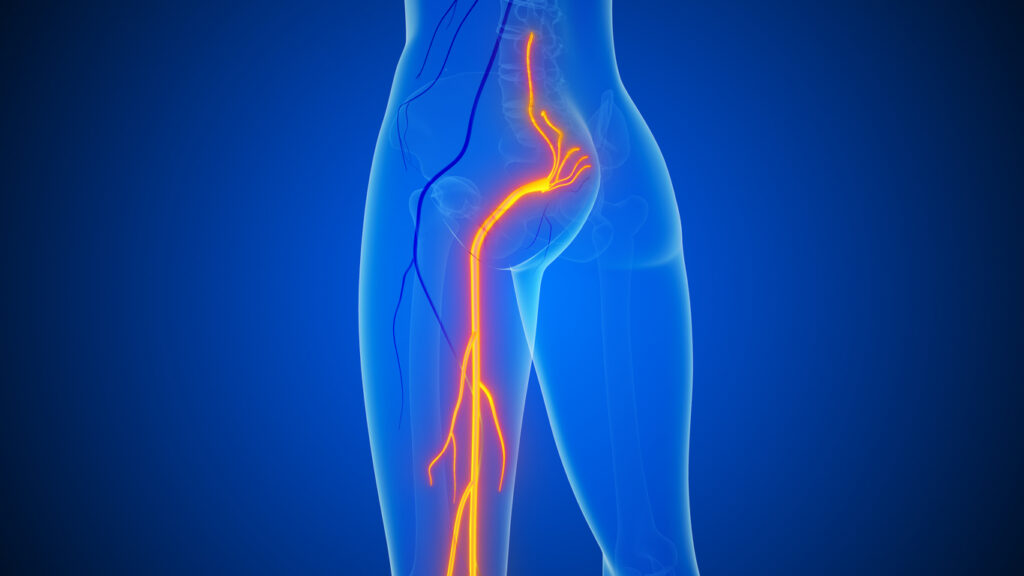
Sciatica results when something presses on the sciatic nerve or its nerve root. Conditions that may cause compression include herniated discs, degenerative disc disease, spinal stenosis, osteoarthritis, spondylolisthesis, and tumors or other growths. Injury to the spine from an accident or fall can also lead to sciatica.
General aging and wear and tear on the spine is a major contributing factor for sciatica. Spinal discs degenerate with age and may compress the sciatic nerve. Osteoarthritis wears down facet joints in the spine or may produce bone spurs that cause compressions. Obesity is another risk factor, as extra weight puts more stress on the lumbar spine. Heavy lifting and poor posture when lifting can strain the back. Weak core muscles provide less support for the low back. An inactive lifestyle can negatively affect the spine, as lack of movement weakens supporting back muscles. Diabetes can damage nerves in the spine and accelerate degeneration of the discs.
Symptoms of Sciatica
Common symptoms of sciatica can include the following:
- Tingling or mild pain down a leg, calf, or foot
- Sharp pain the radiates from the low back through the hip or buttocks and down the leg
- A burning sensation down the leg
- Muscle weakness or numbness in the leg or foot
- Chronic pain down the leg
- Loss of bladder or bowel control in severe cases
Can nerve damage from sciatica heal?
Most cases of mild to moderate sciatica will resolve within 12 weeks. Nerve irritation and damage can improve significantly as inflammation and compression of the nerve root calm down. These cases are usually able to be managed with conservative treatments.
Untreated chronic sciatica can cause permanent nerve damage. As the nerve compression gets worse, the pain becomes chronic and no longer responds to medication. Muscle weakness and numbness may interfere with daily activities, limiting mobility and making it difficult to sleep. These patients may require surgery to relieve severe compression and improve their quality of life. In these cases, nerves can take months or years to heal post-surgery. Sometimes the damage doesn’t heal completely.
Atlanta Brain and Spine Care
The physicians at Atlanta Brain and Spine Care are experts in the diagnosis and treatment of sciatica. Contact us to schedule an appointment with a spine specialist.
